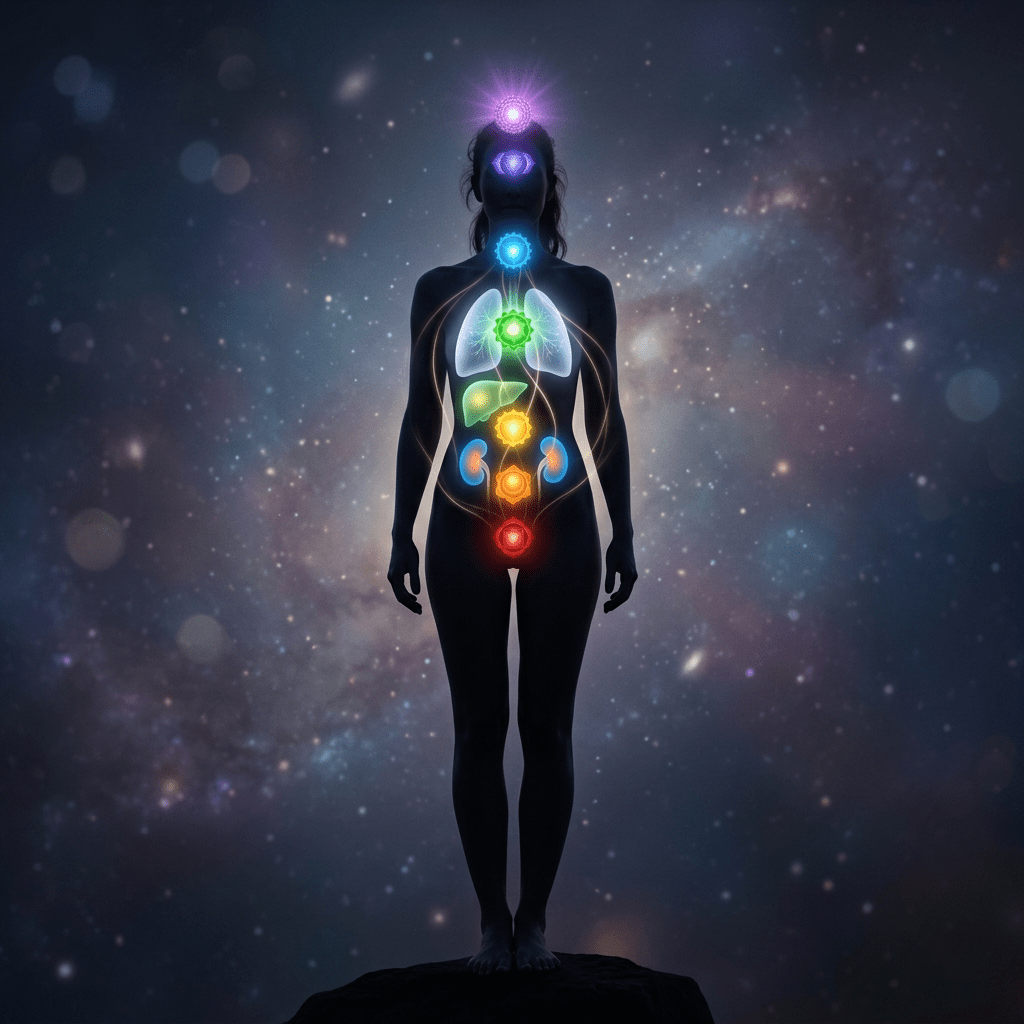
Emotions Stored in the Body. What Traditional Chinese Medicine Says Your Body Is Trying to Tell You
Have you ever felt a knot in your stomach before an important conversation? Or a heaviness in your chest when holding back sadness?
Our bodies speak. Always.
According to Traditional Chinese Medicine, emotions are not just psychological states. They are forms of energy that move through the body and influence specific organs. When emotions are felt and processed consciously, they flow. When they are suppressed, ignored, or carried for too long, they begin to settle in the body like unspoken stories.
Chinese medicine is based on the understanding that the body, mind, and emotions form one interconnected system. What happens emotionally shows up physically — through tension, disrupted breathing, poor sleep, digestive issues, or low energy.
Your body often knows what you are feeling before your mind does.
Anger Lives in the Liver
In Traditional Chinese Medicine, the liver is responsible for the smooth flow of life energy.
When frustration, resentment, irritation, or anger are suppressed, that energy becomes blocked.
This may show up as:
- neck and shoulder tension
- headaches, especially around the temples
- jaw clenching
- irritability
- a feeling of internal pressure
- hormonal imbalance and PMS symptoms
This is why after an argument we often feel tension building in the body.
The body does not like trapped anger.
It needs movement, breath, and expression.
Sadness Settles in the Lungs
The lungs are associated with grief, sadness, and emotional release.
Uncried tears do not simply disappear.
They often become heaviness in the breath.
This may appear as:
- tightness in the chest
- shallow breathing
- frequent sighing
- low energy
- vulnerability to colds
- emotional heaviness
This is why deep sadness can feel as though it literally takes your breath away.
The lungs teach us how to let go.
Every exhale is a symbolic release of what we can no longer hold onto.
Fear is Stored in the Kidneys
In Traditional Chinese Medicine, the kidneys are connected to life force, resilience, and the sense of safety.
Chronic stress, uncertainty, and living in survival mode weaken this system.
This may show up as:
- constant exhaustion
- lower back pain
- cold hands and feet
- insomnia
- ongoing tension
- difficulty recovering physically and emotionally
When we live in prolonged fear, the body never fully rests.
Fear can literally take away our sense of grounding.
Overthinking Affects the Spleen and Stomach
How many times has stress “hit you in the stomach”?
That is not a coincidence.
In Chinese medicine, excessive worrying, overthinking, mental rumination, and emotional overwhelm affect the digestive system.
This may appear as:
- stomach tightness
- bloating
- loss of appetite or emotional eating
- brain fog
- heaviness
- lack of focus
When the mind constantly loops through the same thoughts, the body also struggles to digest.
Not just food.
Emotions too.
Excessive Excitement Disrupts the Heart
The heart, in Traditional Chinese Medicine, is the center of emotional balance, awareness, and joy.
But even positive emotions, when experienced too intensely or chaotically, can create imbalance.
This may show up as:
- heart palpitations
- trouble sleeping
- restlessness
- racing thoughts
- inability to relax
This is the body saying:
“This is too much. I need balance.”
Emotional wellbeing is not constant excitement.
It is inner steadiness.
The Body Does Not Punish. It Communicates.
In Western culture, we often treat symptoms as problems to eliminate.
Headache? Take a pill.
Insomnia? Try melatonin.
Fatigue? Have another coffee.
Traditional Chinese Medicine asks a different question:
What emotion has not yet been heard?
Perhaps your tight shoulders are holding unexpressed anger.
Perhaps digestive discomfort reflects chronic worry.
Perhaps exhaustion is your body asking for safety and rest.
A symptom is not always the enemy.
Sometimes it is a message.
How to Release Emotions from the Body
The goal is not to avoid difficult emotions.
The goal is to let them move through you.
Helpful practices include:
- conscious breathing
- movement
- stretching
- walking
- crying
- journaling
- meditation
- acupressure
- quiet moments of stillness
The most important question you can ask yourself today is:
What is my body trying to tell me that I have not yet allowed myself to hear?
Sometimes the deepest healing begins not by fixing the body, but by listening to the emotions that have been waiting to be acknowledged.





Leave a Reply