
Life’s daily demands can often feel overwhelming. Deadlines, traffic jams, or personal challenges – all contribute to stress, a common companion of modern living. While a little stress can motivate us, chronic stress is a silent saboteur, threatening our physical and mental well-being.
Let’s dive into the dangers of stress, uncover how it affects us, and explore effective ways to tackle it.
Why Stress is a Serious Health Risk
Stress isn’t just a bad mood – it’s a serious health hazard. Left unchecked, it impacts almost every system in the body. Here are 5 dangerous side effects of chronic stress:
- Weakened Immune System – Stress suppresses your immune defenses, making you more vulnerable to illnesses.
- Heart Problems – Chronic stress increases blood pressure, leading to a higher risk of heart attacks and strokes.
- Sleep Disorders – Stress disrupts sleep, leaving you fatigued and less able to cope with daily challenges.
- Digestive Issues – It can cause stomach pain, ulcers, and irritable bowel syndrome (IBS).
- Mental Health Struggles – Long-term stress can lead to anxiety, depression, and burnout.
Stress isn’t just uncomfortable – it’s dangerous. Recognizing its impact is the first step in reclaiming your health.
10 Proven Strategies to Manage Stress
Managing stress is like building a toolkit for a calmer, healthier life. Here are 10 effective strategies to reduce stress and its grip on your life:
- Practice Mindfulness
Start with just 5 minutes a day of deep breathing or meditation. Focusing on the present helps you let go of anxiety about the future. - Get Moving
Physical activity – even a short walk – releases endorphins, your body’s natural stress-busters. - Set Boundaries
Learn to say “no” to overcommitting yourself. Protect your time and energy. - Connect with Loved Ones
Talking to friends or family about your worries can offer support and perspective. - Prioritize Sleep
Create a calming bedtime routine and aim for 7–8 hours of quality sleep each night. - Adopt a Healthy Diet
Nutrient-rich foods, like leafy greens and whole grains, can stabilize your mood and energy levels. - Unplug from Technology
Spend time away from screens to recharge your mind and reduce information overload. - Take Breaks
Short breaks during work or daily routines help prevent burnout and maintain focus. - Engage in a Hobby
Creative activities, like painting, gardening, or cooking, can provide a relaxing outlet. - Seek Professional Help
If stress feels overwhelming, a therapist or counselor can offer guidance and techniques tailored to your needs.
The Bright Side: Positive Changes from Stress Reduction
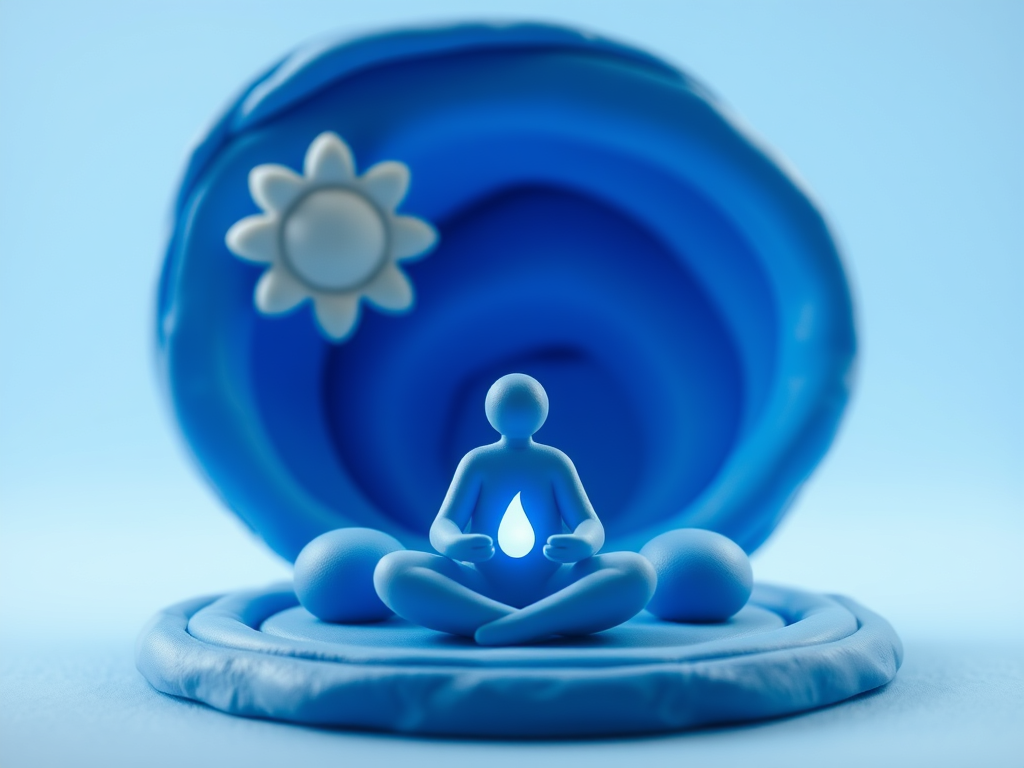
When you take charge of stress, the transformation is incredible. Reducing stress brings tangible benefits that enhance your life:
- Improved Mental Clarity: Feel more focused and capable of tackling challenges.
- Better Relationships: Reduced irritability fosters stronger connections with loved ones.
- Enhanced Physical Health: Lower blood pressure, improved immunity, and better digestion.
- More Energy: Say goodbye to fatigue and welcome vitality.
- Greater Happiness: A calmer mind makes room for joy and gratitude.
You Deserve a Life with Less Stress
Stress is a part of life, but it doesn’t have to control you. Implementing these strategies can help you find balance, reclaim your peace, and unlock your potential.
If you found this guide helpful, follow us for more tips on living a healthier, happier life. Together, we can conquer stress and embrace the calm we all deserve. 💙






Leave a reply to The Mindful Migraine Blog Cancel reply