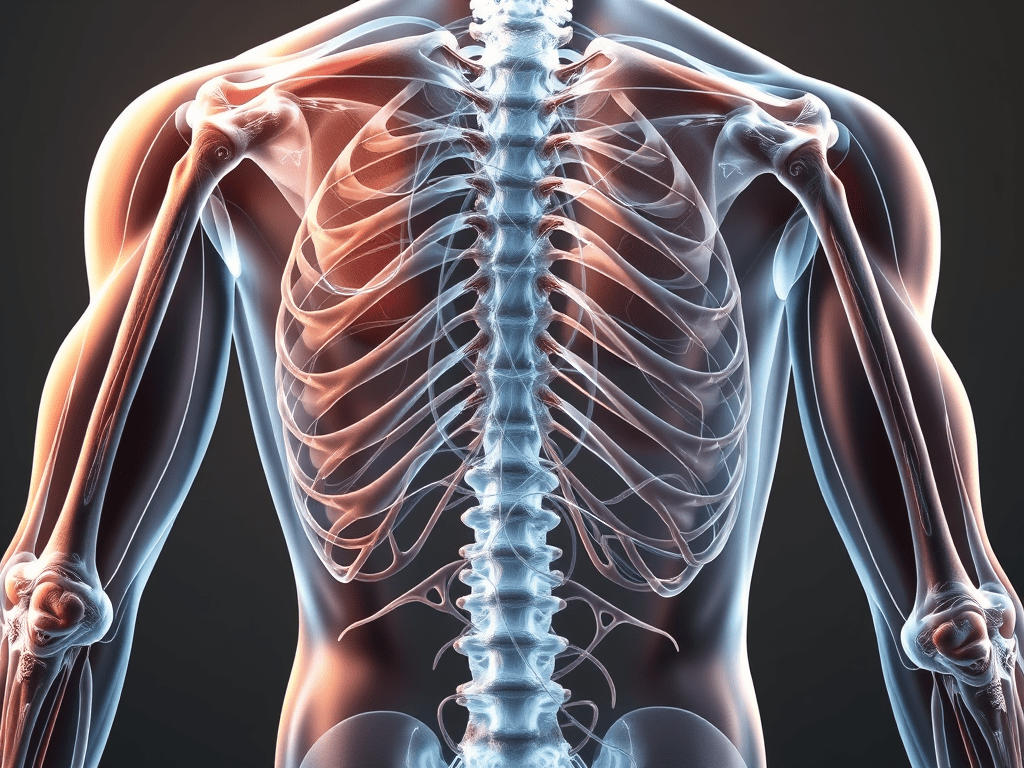
Did you know that your body has an incredible network that literally connects everything into one whole? It’s called fascia—a connective tissue that surrounds muscles, bones, organs, and even nerves. Although fascia remained in the shadows of scientific research for years, today, we know that its health is crucial for our mobility, resilience, and overall well-being.
What Is Fascia and Why Is It So Important?
Fascia can be compared to a spider’s web that envelops the entire body. It plays a vital role in:
- Providing structure – maintaining body shape and stabilizing organs.
- Enabling movement – allowing smooth motion and absorbing shocks.
- Transporting fluids – keeping muscles hydrated and reducing friction.
- Reacting to stress – storing emotional and physical tension, which can lead to pain.
According to research published in the Journal of Bodywork and Movement Therapies, healthy fascia improves range of motion, reduces injury risk, and accelerates muscle recovery.
What Happens When Fascia Tightens?
Healthy fascia is flexible and well-hydrated. However, prolonged sitting, lack of movement, stress, or dehydration cause it to become stiff and sticky. As a result, you may experience:
- Back and neck pain
- Joint stiffness
- Limited mobility
- Higher risk of injuries
Studies from the Fascial Research Congress indicate that chronic stress and inactivity can lead to “trigger points,” which block movement and cause long-term discomfort.
How to Care for Your Fascia? Key Techniques
1. Fascial Stretching
The best way to maintain healthy fascia is through regular stretching. Especially effective techniques include:
✅ Slow and static stretching – long, smooth movements help soften the fascia.
✅ Yin Yoga – poses held for several minutes allow deep release.
✅ Dynamic stretching – fluid movements like bends and rotations improve mobility.
2. Self-Myofascial Release (SMR)
Rolling muscles with a foam roller (foam rolling) enhances blood flow and reduces tension. Research published in the Journal of Strength and Conditioning Research shows that regular rolling can increase range of motion by 10-15%.
3. Proper Hydration
Fascia is made up of 70% fluids. Drinking enough water helps maintain its elasticity and prevents it from sticking together.
4. Physical Activity
Any type of movement, from walking to strength training, stimulates fascia to regenerate. The most recommended activities include:
- Fluid movement forms (dance, Pilates, yoga)
- Functional training (squats, lunges, pull-ups)
- Swimming – water relieves joint stress and improves mobility
Conclusion
Fascia is an extraordinary structure that affects our health and mobility more than we realize. Keeping it in good shape requires regular movement, stretching, hydration, and rest. If you want to avoid pain and improve your flexibility, start taking care of your fascia today!
💡 What fascia release techniques do you use? Share your experiences in the comments! 😊







Leave a comment