
Potassium is an essential mineral that plays a crucial role in the proper functioning of the body. It supports heart function, the nervous system, and muscles, while also helping to maintain water-electrolyte balance. Its deficiency can lead to serious health consequences. Find out what the symptoms of potassium deficiency are, the recommended daily intake, and which foods will provide you with the right amount of potassium.
Problems Related to Potassium Deficiency
Potassium deficiency, known as hypokalemia, can have a negative impact on the body. Symptoms may vary and include:
- Irregular heartbeat – arrhythmia, palpitations, increased risk of heart disorders,
- Muscle weakness – cramps, tremors, reduced muscle strength,
- Fatigue and concentration problems – drowsiness, apathy, lack of energy,
- Digestive issues – constipation, bloating, slower intestinal motility,
- Increased blood pressure – higher risk of hypertension,
- Mood swings – anxiety, irritability, reduced stress resistance.
Consequences of Potassium Deficiency
Long-term potassium deficiency can lead to serious health issues such as:
- Increased risk of cardiovascular diseases – arrhythmia, hypertension,
- Weakened bones – potassium helps regulate calcium levels in the body,
- Higher risk of kidney stones – insufficient potassium levels can promote stone formation,
- Neurological problems – tremors, muscle spasms, coordination difficulties.
Recommended Daily Potassium Intake
Potassium requirements vary depending on age and physiological condition:
- Infants:
- 0–6 months: 400 mg
- 7–11 months: 750 mg
- Children:
- 1–3 years: 800 mg
- 4–6 years: 1100 mg
- 7–9 years: 1800 mg
- Adolescents:
- 10–12 years: 2400 mg
- 13–15 years: 3000 mg
- 16–18 years: 3500 mg
- Adults:
- 19 years and older: 3500 mg
- Pregnant women: 3500 mg
- Breastfeeding women: 4000 mg
Source: National Center for Nutritional Education
Natural Sources of Potassium in the Diet
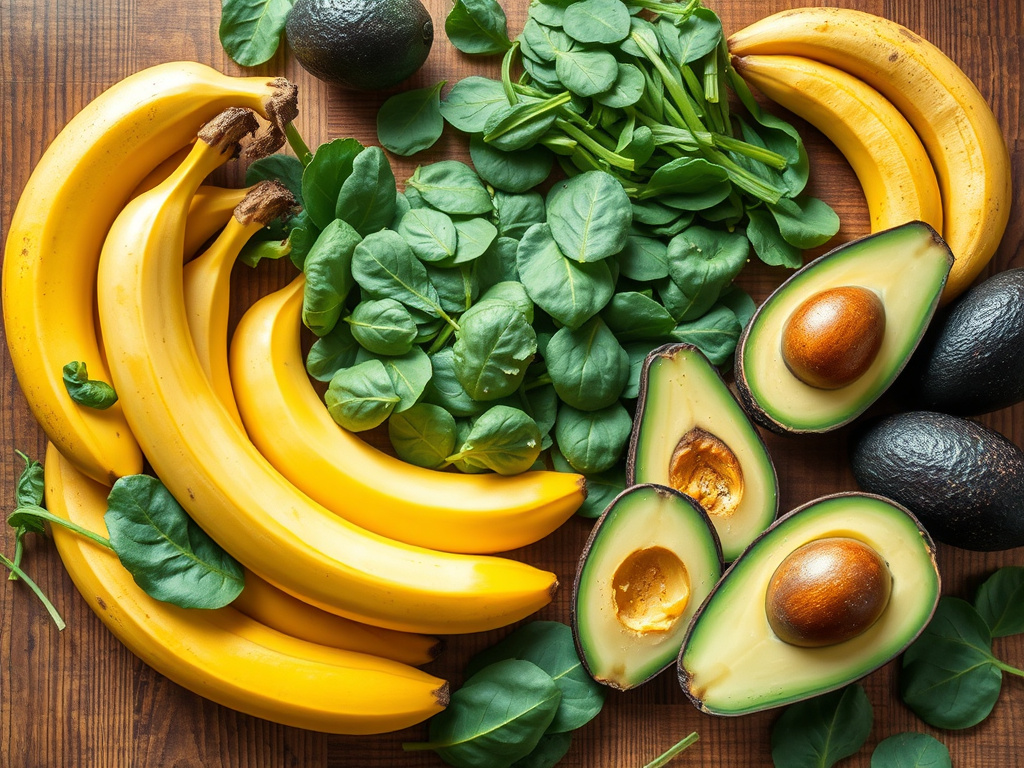
Potassium is found in many food products. Here are the best natural sources of this mineral:
- Fruits: bananas, kiwi, citrus fruits (oranges, pomelo), dried figs, apricots, raisins,
- Vegetables: tomatoes, potatoes, spinach, legumes (beans, peas, broad beans),
- Grain products: buckwheat, oatmeal, whole grain bread,
- Others: nuts, avocado, cocoa, dark chocolate.
Benefits of Potassium Consumption
Scientific studies confirm that a potassium-rich diet can contribute to:
- Lowering blood pressure,
- Reducing the risk of stroke,
- Improving bone and nervous system health,
- Decreasing the risk of kidney stones.
Source: National Center for Nutritional Education
Summary
Potassium plays an extremely important role in our body. To avoid its deficiency, it is worth maintaining a diet rich in natural sources of this element. If you notice symptoms indicating a potassium deficiency, consult a doctor or dietitian. Remember – healthy eating is the key to well-being!
Want to Learn More?
Share your experiences or ask a question in the comments!







Leave a comment