In a world that never slows down, rest is not a luxury but a necessity. Are you looking for ways to catch your breath and recharge your energy? Here are 5 trendy relaxation techniques that are not only effective but also perfectly fit into today’s wellness trends. Ready to take a moment for yourself?
1. Mindfulness – Here and Now
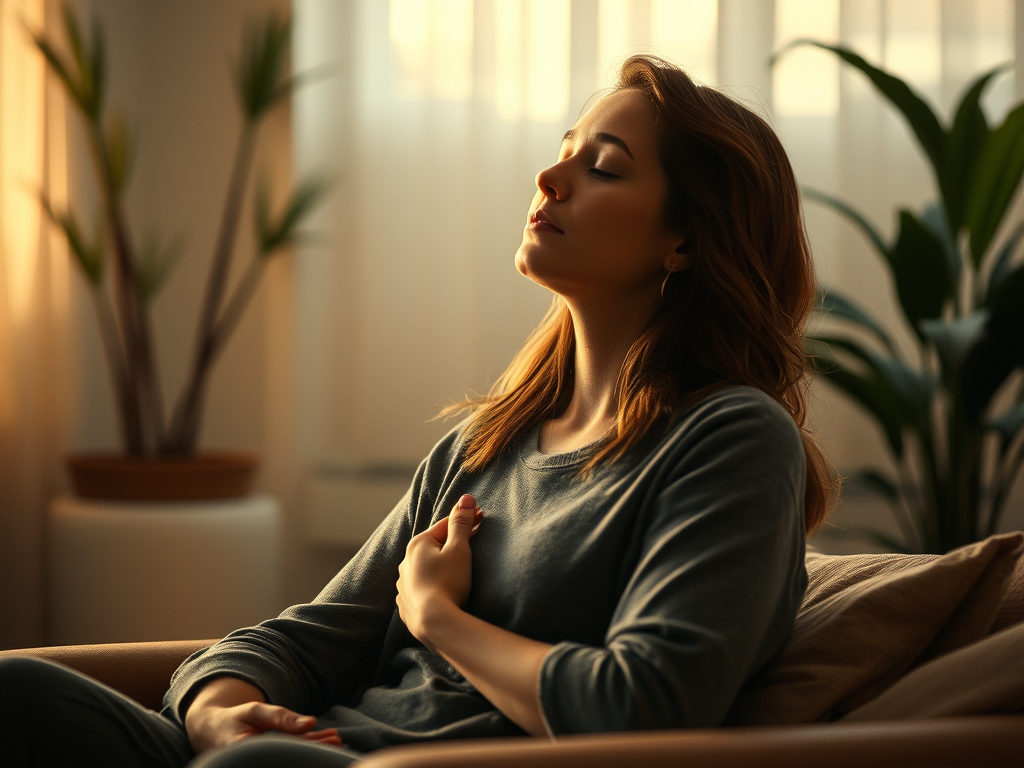
Are you tired of racing thoughts? Mindfulness is the art of being present in the moment. Just a few minutes a day can help you pause, feel your breath, and simply… be. Start with a simple exercise: sit comfortably, close your eyes, and focus on your breathing. It’s that easy and works wonders.
Benefits:
- Stress and anxiety reduction: Research shows mindfulness decreases activity in the amygdala, responsible for stress responses.
- Improved focus: Learn to direct your attention where it’s truly needed.
- Better mental health: Mindfulness is a powerful tool in treating depression and burnout.
- Increased gratitude: Notice and appreciate the small, positive moments in everyday life.
How to start? Try short mindfulness meditation sessions using apps like Headspace or Calm.
2. Relaxation Through Movement – Yoga Nidra
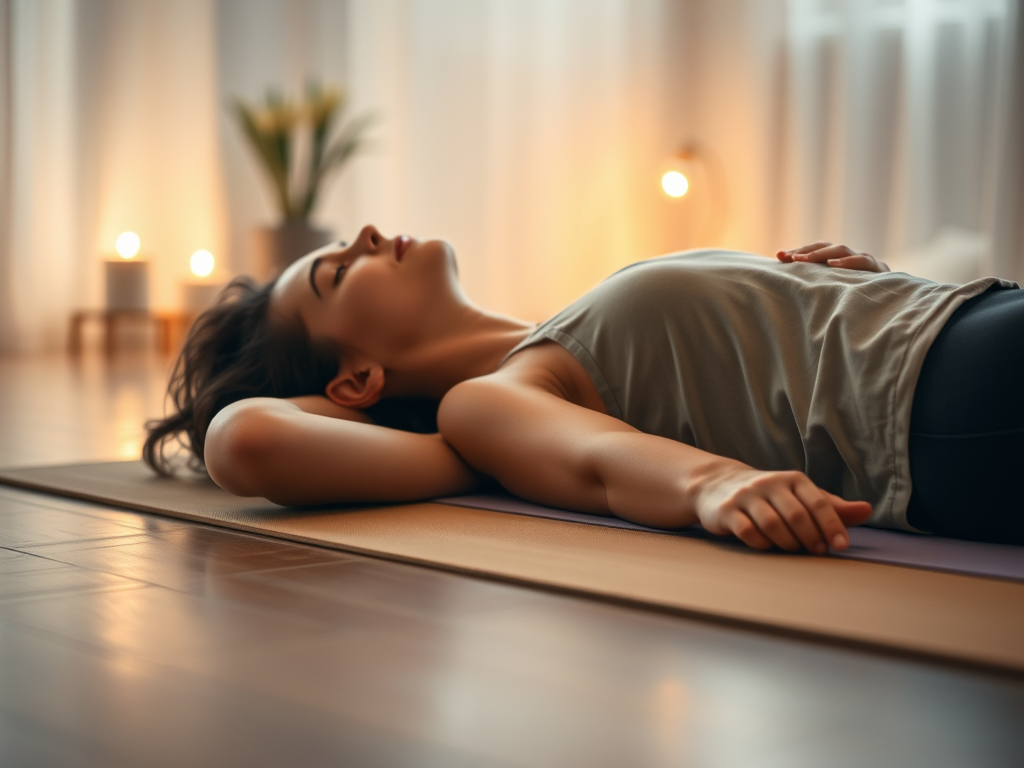
Don’t confuse this with traditional yoga. Yoga Nidra is a meditative practice done lying down – perfect for those who aren’t in the mood for complex poses. Imagine lying comfortably, guided by a soothing instructor’s voice, while your body and mind achieve deep relaxation. You don’t need to move; just be.
Benefits:
- Nervous system regeneration: It helps calm the sympathetic nervous system, responsible for the “fight or flight” response.
- Improved sleep quality: Just 20 minutes of Yoga Nidra equals several hours of deep sleep.
- Reduced cortisol levels: Regular practice lowers stress hormone levels.
- Pain management: Yoga Nidra is used as part of therapy for conditions like fibromyalgia or migraines.
How to start? Find Yoga Nidra sessions on YouTube or meditation apps, and allow yourself 20–30 minutes of relaxation during the day.
3. Relaxing Sound Baths – Sound Healing
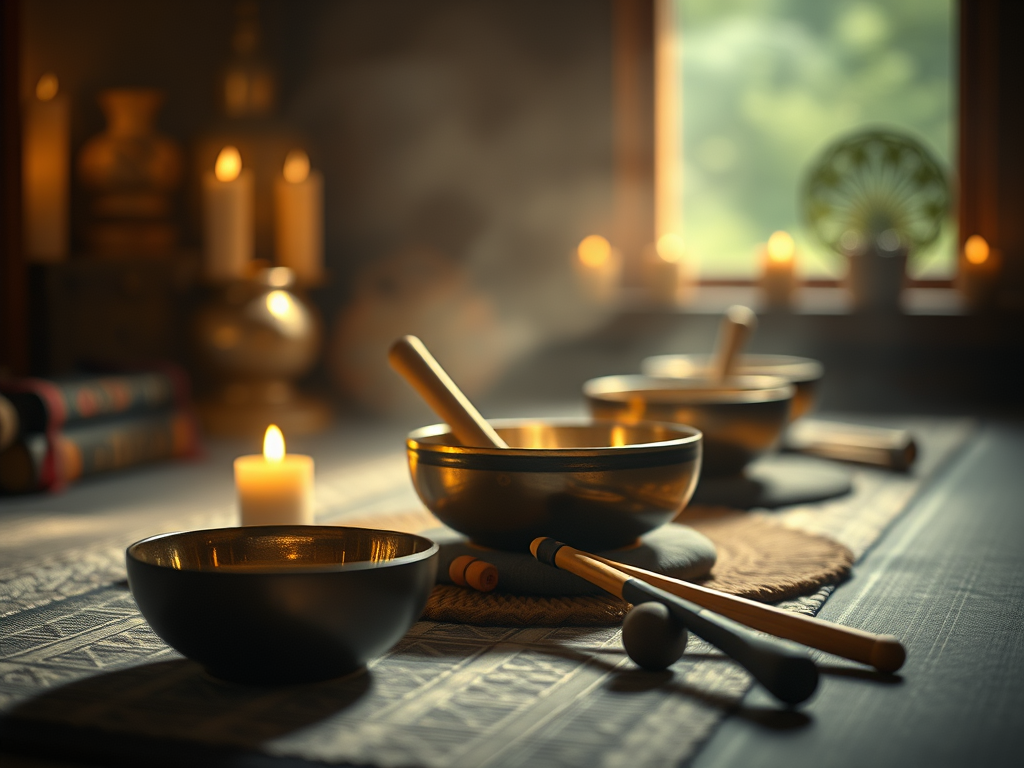
Sound healing uses sounds of specific frequencies to harmonize the body and mind. It can involve listening to Tibetan bowls, gong sounds, or tuning forks.
Benefits:
- Deep relaxation: Sound vibrations impact the nervous system, inducing a state of relaxation.
- Mood improvement: Sounds release endorphins, natural happiness hormones.
- Pain relief: Sound can support therapy for headaches or tension-related pain.
- Enhanced meditation focus: Sound baths make it easier for beginners to enter a meditative state.
How to start? Look for sound healing sessions at your local yoga studio or play recordings of Tibetan bowls at home.
4. Breathing as Medicine – Breathwork
Breathwork encompasses techniques where controlled and rhythmic breathing helps regulate emotions, reduce stress, and boost energy.
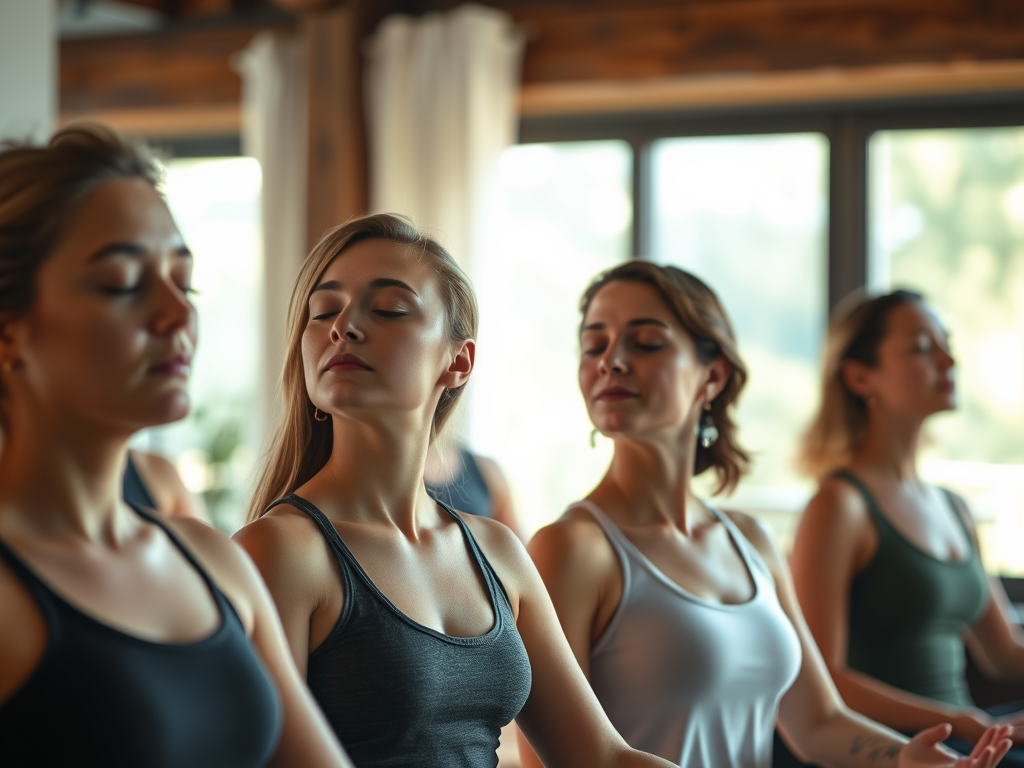
Benefits:
- Stress and tension reduction: Breathwork lowers blood pressure and heart rate.
- Energy boost: Deep breathing improves oxygenation of the body.
- Anxiety relief: Techniques like the 4-7-8 method are particularly effective in stressful situations.
- Body detox: Deep breathing helps remove toxins from the body.
How to start? Begin with the simple 4-7-8 technique: inhale through your nose for 4 seconds, hold your breath for 7 seconds, and exhale through your mouth for 8 seconds. Repeat 5 times.
5. Forest Bathing – Shinrin-yoku
Forest bathing is a Japanese practice that involves consciously immersing yourself in nature. It’s not about physical effort but slow, deliberate strolling and fully experiencing the forest with all your senses.
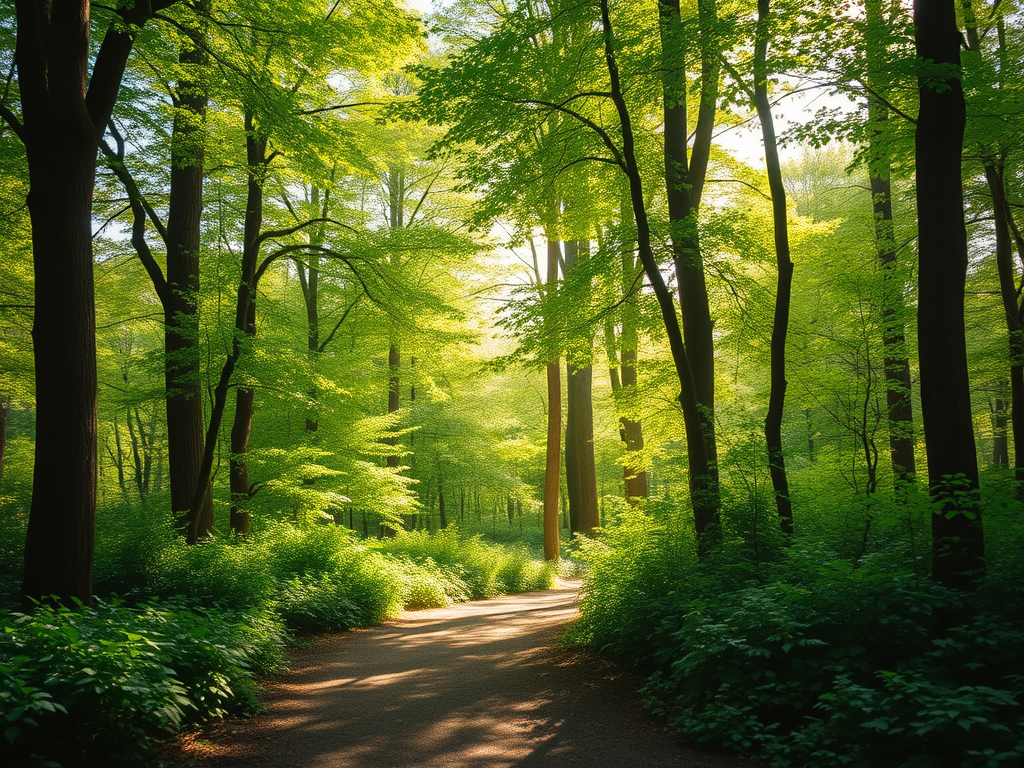
Benefits:
- Stress reduction: Studies show forest bathing lowers cortisol levels and reduces blood pressure.
- Improved immunity: Trees emit phytoncides, which support the immune system.
- Enhanced focus: Nature improves concentration and creativity.
- Depression relief: The natural environment soothes the mind and uplifts the mood.
How to start? Take a walk in a forest or park, leave your phone in your pocket, and focus on the sounds, scents, and textures of the surrounding nature.
Conclusion
Each of these techniques offers something unique – from calming the mind to regenerating the body. The key is to try different methods and find the one that best suits your lifestyle. What will you try first? 🌿✨




Leave a comment