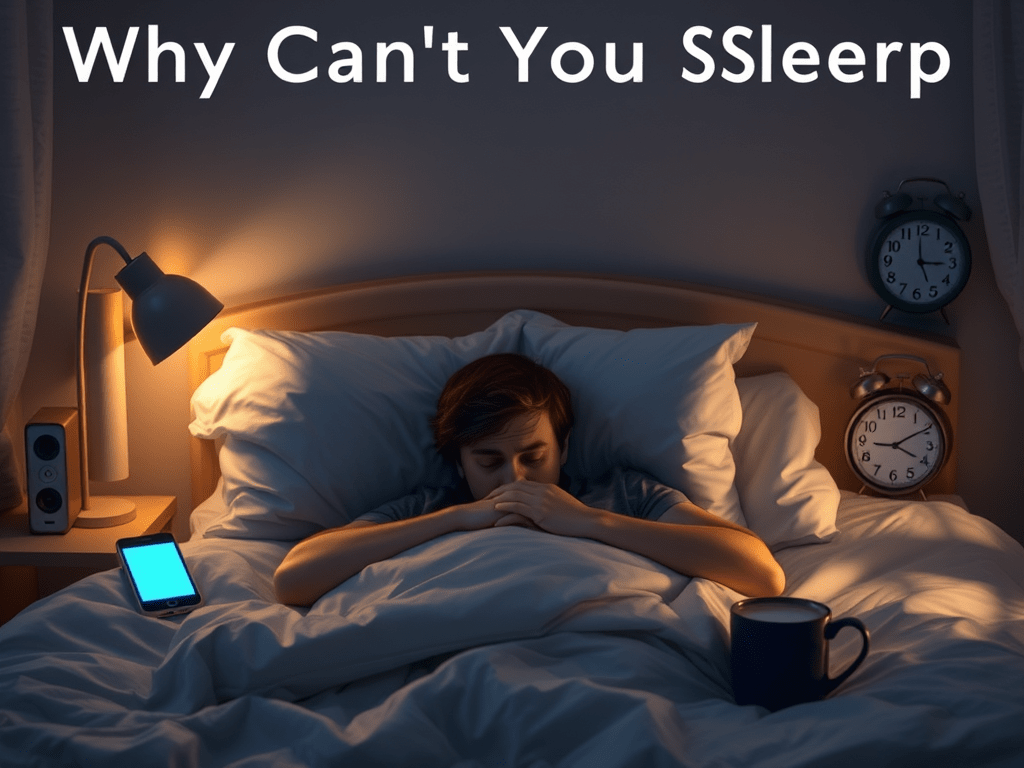
A good night’s sleep is not a luxury—it’s a necessity. Yet, millions of people struggle to fall asleep or stay asleep. Poor sleep affects everything from your mood to your long-term health. In this article, we’ll uncover the top 10 reasons you may be losing sleep, why sleep is crucial for your body, and how much sleep you truly need.
Why Sleep Is Essential
Sleep is like a nightly reset for your body and brain. During sleep, your body:
- Repairs tissues and builds muscle.
- Consolidates memories and processes emotions.
- Balances hormones, including those responsible for hunger and stress.
- Boosts immunity to help fight infections.
Without enough sleep, your body and mind struggle to function. Chronic sleep deprivation has been linked to heart disease, diabetes, obesity, and even mental health issues like depression and anxiety.
How Much Sleep Do You Need?
The recommended amount of sleep varies by age and sometimes by gender:
- Adults (18-64 years): 7-9 hours per night.
- Teens (14-17 years): 8-10 hours per night.
- Children (6-13 years): 9-11 hours per night.
- Older adults (65+ years): 7-8 hours per night.
Some studies suggest women might need slightly more sleep than men due to hormonal differences, especially during menstrual cycles, pregnancy, or menopause.
10 Reasons You Can’t Sleep at Night
- Stress and Anxiety
Racing thoughts, work deadlines, or personal worries can keep your brain on overdrive, making it hard to wind down. - Screen Time Before Bed
The blue light emitted by phones, laptops, and TVs disrupts your circadian rhythm by suppressing melatonin, the sleep hormone. - Caffeine or Alcohol Consumption
While caffeine keeps you alert, even moderate alcohol disrupts deep sleep cycles, leaving you groggy the next day. - Irregular Sleep Schedule
Going to bed and waking up at different times confuses your body’s internal clock, leading to poor-quality sleep. - Diet Choices
Heavy or spicy meals close to bedtime can cause discomfort or acid reflux, preventing restful sleep. - Lack of Physical Activity
A sedentary lifestyle can lead to restlessness at night. Moderate exercise during the day improves sleep quality. - Sleep Disorders
Conditions like insomnia, sleep apnea, or restless legs syndrome might be the culprits. - Uncomfortable Sleep Environment
A noisy, too-bright, or overly warm bedroom can make falling asleep a challenge. - Hormonal Changes
Menopause, pregnancy, and even PMS can disrupt sleep patterns due to fluctuating hormone levels. - Underlying Medical Issues
Chronic pain, asthma, or gastrointestinal problems can keep you tossing and turning.
The Sleep Cycle: What Happens While You Snooze?
During sleep, your body cycles through 4 stages:
- Stage 1 (Light Sleep): A transitional phase where your body begins to relax.
- Stage 2 (Deeper Relaxation): Your heart rate slows, and body temperature drops.
- Stage 3 (Deep Sleep): Essential for physical restoration, tissue repair, and immune strengthening.
- REM Sleep: This is when dreams occur, and your brain processes emotions and memories.
Each cycle lasts about 90 minutes, and you repeat these cycles 4-6 times per night. Missing out on deep or REM sleep can leave you feeling unrefreshed and mentally foggy.
How to Improve Your Sleep
If these reasons sound familiar, take steps to improve your sleep hygiene:
- Create a consistent bedtime routine.
- Limit caffeine and alcohol intake, especially in the evening.
- Turn off screens at least an hour before bed.
- Make your bedroom a sanctuary—quiet, dark, and cool.
- Seek medical advice if you suspect a sleep disorder.
Remember, quality sleep is a cornerstone of a healthy, productive life. Prioritize it, and your body and mind will thank you!
For more science-backed tips on health and well-being, subscribe to our blog today!






Leave a comment