
Vitamin D is often called the “sunshine vitamin” for a good reason—it’s essential for maintaining overall health. Yet, many people worldwide suffer from a deficiency, especially in colder, less sunny climates. Here are 10 common health problems linked to a lack of vitamin D and why it’s crucial to address them.
1. Weak Bones and Increased Risk of Fractures
Vitamin D helps your body absorb calcium and phosphorus, which are vital for bone strength. Without enough vitamin D, bones become brittle, increasing the risk of fractures, osteoporosis in adults, and rickets in children.
2. Frequent Illnesses and Infections
A strong immune system relies on vitamin D. People with low levels are more likely to catch colds, the flu, or other infections because their bodies struggle to fight off germs effectively.
3. Fatigue and Low Energy Levels
Feeling tired all the time? A deficiency in vitamin D might be to blame. Low levels can leave you feeling drained, even after a full night’s sleep.
4. Muscle Weakness and Cramps
Vitamin D is essential for proper muscle function. A deficiency can cause muscle weakness, pain, or cramps, making daily activities more difficult and increasing the risk of falls in older adults.
5. Mood Swings and Depression
Low levels of vitamin D are linked to depression and mood disorders, particularly in winter when sunlight exposure is minimal. Seasonal Affective Disorder (SAD) is a condition often associated with vitamin D deficiency.
6. Poor Wound Healing
If your cuts and bruises take longer than usual to heal, a vitamin D deficiency might be affecting your body’s ability to repair itself. Vitamin D helps regulate cell growth and inflammation, both crucial for healing.
7. Hair Loss
Severe vitamin D deficiency has been linked to alopecia, an autoimmune condition that causes hair loss. It can also contribute to general thinning of the hair.
8. Bone Pain
Vitamin D deficiency can cause chronic pain in bones and joints, often mistaken for other conditions like arthritis. This is because low levels affect the way your body manages calcium and phosphorus.
9. Increased Risk of Chronic Diseases
Studies have linked vitamin D deficiency to an increased risk of serious conditions such as heart disease, type 2 diabetes, and even some types of cancer, including breast and colon cancer.
10. Impaired Cognitive Function
Low vitamin D levels have been associated with memory problems and cognitive decline, particularly in older adults. Some studies suggest it may increase the risk of dementia and Alzheimer’s disease.
Interesting Facts About Vitamin D
- Human Evolution and Skin Tone:
Did you know that variations in skin color across populations evolved partly due to vitamin D? People in sunnier climates tend to have darker skin to protect against UV damage, while those in colder, cloudier regions have lighter skin to absorb more sunlight and produce vitamin D efficiently. - Vitamin D in Animals:
Vitamin D isn’t just for humans—farm animals like cows and chickens also need it to stay healthy. In fact, eggs are often enriched with vitamin D because farmers expose chickens to UV light or add supplements to their feed. - Aging Reduces Production:
As we age, our skin becomes less efficient at producing vitamin D from sunlight. This is why older adults are at a higher risk of deficiency and are often advised to take supplements year-round.
Take Supplements: How to Get High-Quality Vitamin D
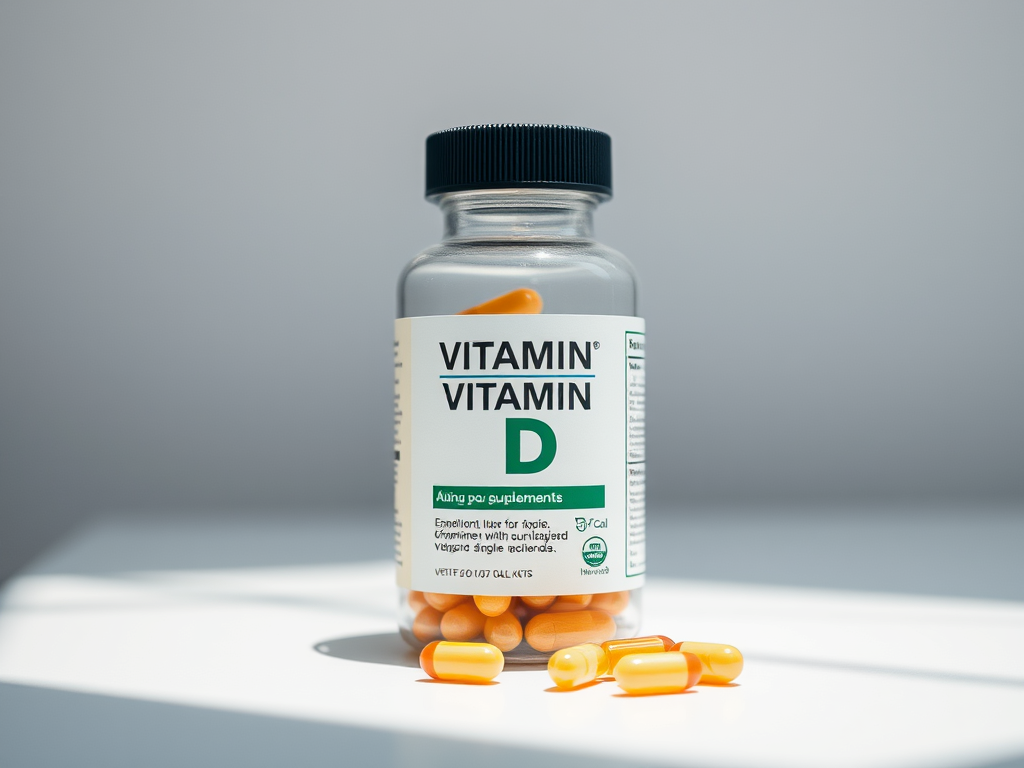
Doctors recommend 800–2000 IU of vitamin D daily for adults, depending on individual needs. If you’re looking for a reliable source to purchase high-quality supplements, check out Check My Body Health. Their products are verified for quality and effectiveness, ensuring you get the support you need for your health.
When choosing supplements, always look for:
- Third-Party Testing: Ensure the product is certified by organizations like NSF, USP, or Informed-Choice.
- Form: Opt for vitamin D3 (cholecalciferol), which is more effective than D2.
- Appropriate Dosage: Match the supplement’s dosage to your daily requirement (800–2000 IU for most adults).
Make your health a priority today by clicking here to shop for top-quality vitamin D supplements!
Final Thoughts
Vitamin D is essential for your body to function at its best. By addressing a deficiency, you can avoid these 10 health problems and enjoy better energy, immunity, and overall wellness. Don’t let a lack of sunshine put your health in the shadows—take action today!







Leave a comment